
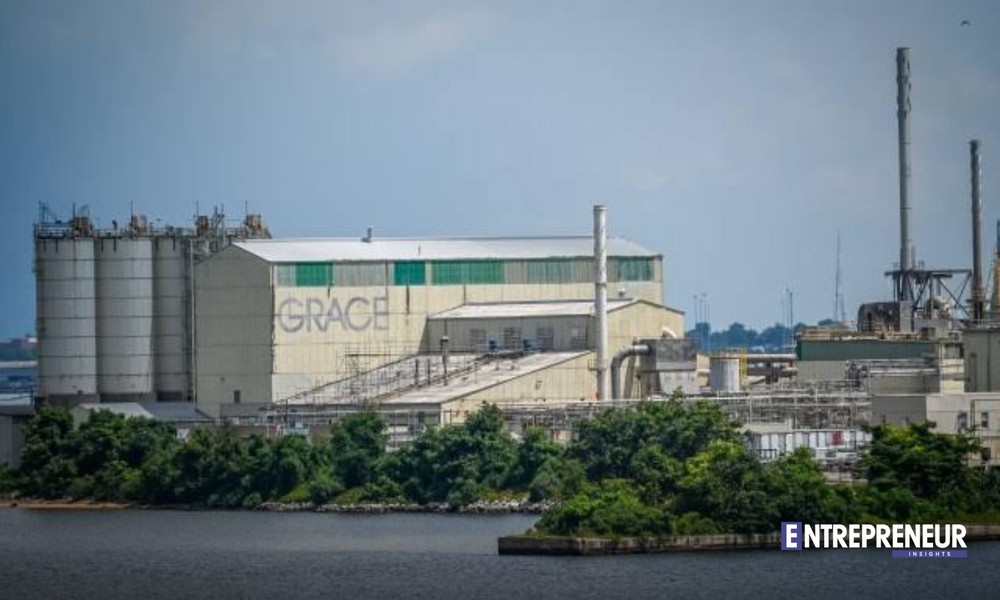
At its Columbia, Maryland, headquarters, W.R. Grace & Co. is experimenting with a new plastic recycling strategy as the chemical firm seeks to repurpose wasted plastics. Residents in the area have also expressed worry about the pilot project, claiming to have heard noise and smells and to be interested in learning more about potential emissions from the operation.
In February 2026, Grace started using the pilot machine. According to the company, compared to some existing recycling techniques, the procedure may help recover more plastic while consuming less energy and generating less trash and emissions. The plant will be subject to inspections and independent emissions testing, according to Maryland environmental regulators, who also claim that it satisfies applicable air emission regulations.
The Operation of W.R. Grace Plastic Recycling
At Grace’s Columbia site, the pilot system is housed in Building 30. The procedure breaks down plastic into molecular building pieces using heat and a catalyst instead of just melting it and moulding it.
Grace likens the method to disassembling a structure composed of tiny parts. The machinery receives plastic pellets and uses the company’s catalyst to heat and treat them. Technicians then separate and analyse the resulting liquids and gases.
The recovered elements may potentially be utilised in goods including food packaging, detergent containers, storage items, and automobile parts, according to the company.
The Significance of the Recycling Method
Plastic is typically gathered, sorted, cleaned, and processed before being transformed into a different product in traditional mechanical recycling. By disassembling plastic into its constituent chemical components, chemical recycling adopts a different approach.
This method may increase the variety of plastic materials that can be treated. Recovering valuable building blocks could provide businesses investigating the recyclability of plastics an additional way to handle challenging plastic waste.
Grace is creating the technology for potential application in petrochemical plants and refineries. According to the corporation, it has no intention of producing plastics at the Columbia test site.
Concerns Regarding Emissions Are Raised by Neighbours
In the Cedar Creek neighbourhood, which is close to Grace’s home, the project has become a point of contention. Some locals are worried about what the recycling process might discharge into the neighbourhood because they have detected offensive smells and industrial sounds.
More openness regarding the plastics being processed, the catalyst being used, and potential pollutants has been demanded by a group of locals. Additionally, several scientists and environmentalists have questioned whether sophisticated recycling offers the environmental advantages that the business claims.
Grace denies those worries. The pilot has several safety precautions, according to company officials, and its emissions-control technology is made to eliminate 99.9% of volatile organic compounds before emissions leave the site.
Maryland Authorities Continue Monitoring
When the permit was granted, Grace complied with the state’s legal air-emissions regulations, according to the Maryland Department of the Environment. According to officials, the government will demand independent testing of the facility’s emissions and anticipates regular inspections.
As a result, the project is being observed from both a technological and environmental standpoint. The objective for Grace is to ascertain whether its recycling technique can function on a more extensive commercial basis. Transparency, monitoring, and possible community effects continue to be the key concerns for local residents and environmental organisations.
The Wider Plastic Recycling Challenge
The W.R. Grace recycling project reflects a larger effort to find new ways to manage growing plastic waste. Chemical recycling is attracting investment because it may allow certain plastics to be converted into reusable materials instead of being sent to landfills or incinerators.
At the same time, the debate in Columbia shows that new recycling technologies face questions about emissions, safety, transparency, and their overall environmental value.
As Grace continues testing its process, the results from the Maryland pilot could help determine whether this approach can move from a research project toward wider commercial use.
The Wider Plastic Recycling Challenge
The W.R. Grace recycling project reflects a larger effort to find new ways to manage growing plastic waste. Chemical recycling is attracting investment because it may allow certain plastics to be converted into reusable materials instead of being sent to landfills or incinerators.
At the same time, the debate in Columbia shows that new recycling technologies face questions about emissions, safety, transparency, and their overall environmental value.
As Grace continues testing its process, the results from the Maryland pilot could help determine whether this approach can move from a research project toward wider commercial use.
The Entrepreneur Insights Discovering Visionary Leaders, Celebrating Bold Entrepreneurs, and Exploring New Business Possibilities.











Leave a comment