
Geneva, a city known for diplomacy but currently hosting some of the most delicate and high-stakes talks in recent years, has come to the attention of the world due to the most recent round of nuclear negotiations between the United States and Iran. Global leaders and watchers are keenly monitoring the Middle East as tensions rise and military maneuvers accelerate, hoping that dialogue might avert a potentially catastrophic escalation.
An Intense Return to Bargaining
Both countries have decided to resume indirect negotiations facilitated by foreign mediators following months of frozen diplomacy and growing antagonism. The main goal is to reach an agreement on restricting Iran’s nuclear program in return for financial assistance. Iran maintains that its program is peaceful and calls for more freedom from debilitating sanctions, despite the United States’ efforts to prevent it from developing the capability to produce nuclear weapons.
The timing of this round of negotiations is critical. Global security agencies are alarmed by the growing nuclear activities inside Iran, which has been revealed by intelligence assessments and satellite photography. Washington has also increased its military presence in the area, indicating that it is prepared to protect its interests in the event that diplomacy fails.
Increasing Ground Tensions
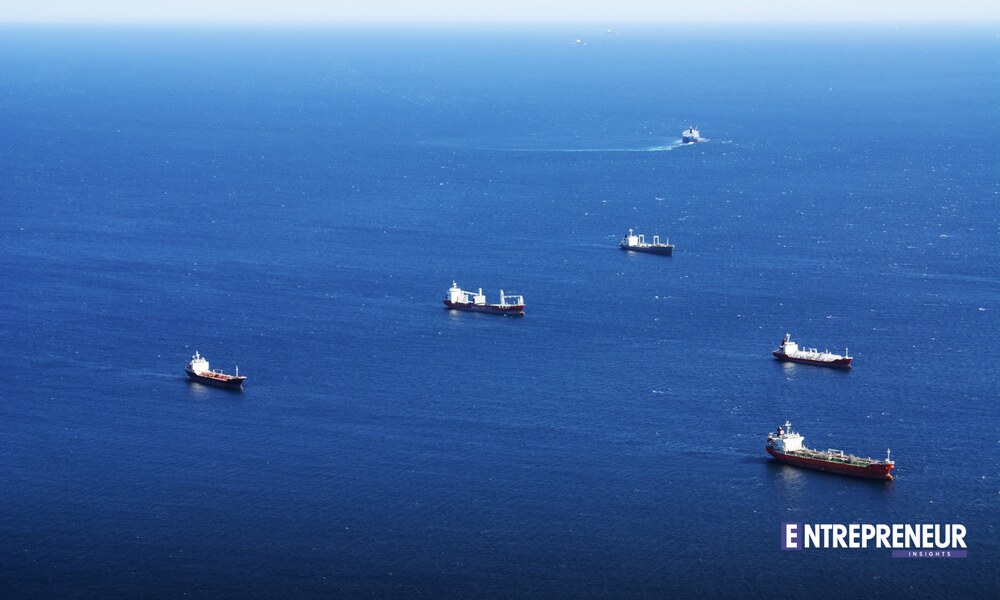
The military setting in which these talks are taking place makes them very delicate. Iran has tested missiles and held naval exercises in the area of the Strait of Hormuz, which is a crucial route for international oil exports, in recent weeks. Defense specialists claim that these demonstrations serve as a reminder that Tehran has the means to obstruct global energy flows if provoked.
In the meantime, American soldiers have strengthened their strategic positions throughout the Gulf and expanded their surveillance flights. Despite their claims that they favor diplomatic solutions, both parties’ actions reveal a strong mistrust and readiness for talks to fail.
Visit: World News
Key Topics Influencing the Conversations
A well-known collection of differences is at the center of the Geneva talks. The United States wants Iran to reduce its uranium enrichment activities and allow the International Atomic Energy Agency to conduct more stringent inspections of its facilities. Iran, on the other hand, contends that it has already made important compromises in the past and seeks assurances that the lifting of sanctions will be long-lasting and immune to future political shifts in Washington.
Regional geopolitics add another level of intricacy. Israel and a number of Gulf countries have called on the United States to adopt a more assertive posture, stating that a shaky agreement would allow Iran to develop its nuclear arsenal. However, European countries favor a diplomatic approach because they believe a military conflict would destabilize the entire region.
Both Sides’ Voices
The seriousness of the issue is reflected in statements made prior to the Geneva sessions. Before considering more drastic steps, U.S. officials have emphasized that the negotiations represent a “last window” for de-escalation. Meanwhile, Iran’s negotiators have made it clear that they will not engage in talks “under pressure,” accusing Western countries of influencing the diplomatic process through military posturing.
Both parties have shown a desire to look into innovative solutions in spite of the conflict. According to diplomats with knowledge of the talks, steps to mutual verification or gradual sanctions relief are examples of confidence-building measures that could help close certain gaps.
Global Risks and Upcoming Events
The results of these talks have ramifications that stretch well beyond Tehran and Washington. A settlement may restore confidence in diplomatic efforts to resolve conflicts, stabilize the world’s oil markets, and reduce tensions in the region. Failure, however, might set off a series of events, including Iran’s increasing nuclear acceleration, heightened military clashes, and a possible conflict that could attract other countries.
The stakes are quite personal for the average Middle Easterner. If war breaks out, communities that are already experiencing instability and economic distress may be even more uncertain. A military escalation, according to humanitarian organizations, would probably result in widespread displacement and put a burden on global aid systems.
A Crucial Point in Diplomacy
The world observes these crucial meetings in Geneva with a mix of excitement and concern. Although diplomacy has been successful in the past, the geopolitical environment is more volatile than ever right now. The outcome of these discussions will determine the direction of future international security.
The future of US-Iranian ties will be determined in the next few days by whether communication can succeed or if the conflict’s escalating shadows will do so.
Read more: The Top Military Leader of Libya Was Killed in a Plane Crash Near Turkey















Leave a comment